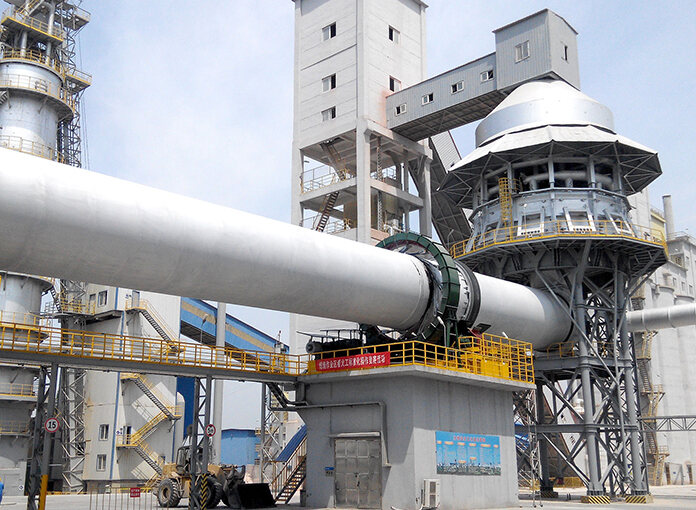
Lime Industry
Industry ChallengesDifferent types of lime kilns—such as rotary kilns, Maerz kilns, and sleeve-type kilns—impose varying requirements on refractory materials. Large-scale lime rotary kilns (600–1,200 t/d) operate with high temperatures and heavy loads in the firing zone, demanding exceptional thermal shock and erosion resistance from the materials; meanwhile, issues regarding heat loss and energy consumption caused by excessive kiln shell temperatures are becoming increasingly prominent.
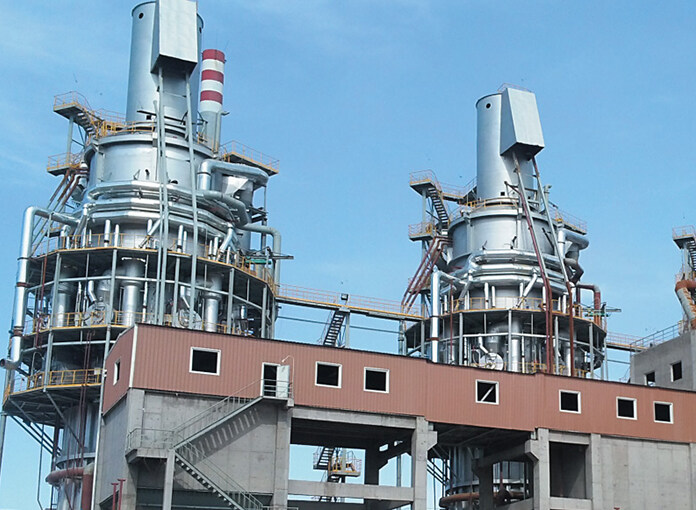
Huawei Refractories offers comprehensive, "one-stop" solutions featuring internationally advanced, energy-efficient, and eco-friendly refractory materials for a wide range of lime kilns, including rotary kilns, vertical kilns, Maerz kilns, and sleeve-type kilns.
For Maerz and sleeve-type kilns, we supply product series such as high-purity magnesia bricks, high-purity mullite bricks, and corundum-mullite bricks. For vertical lime kilns, we provide configuration solutions that include high-alumina bricks and spalling-resistant high-alumina bricks.
-
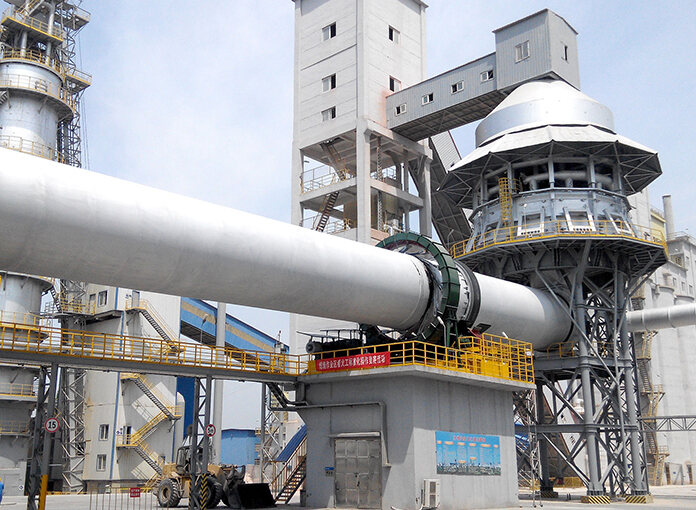
Large-scale lime rotary kiln
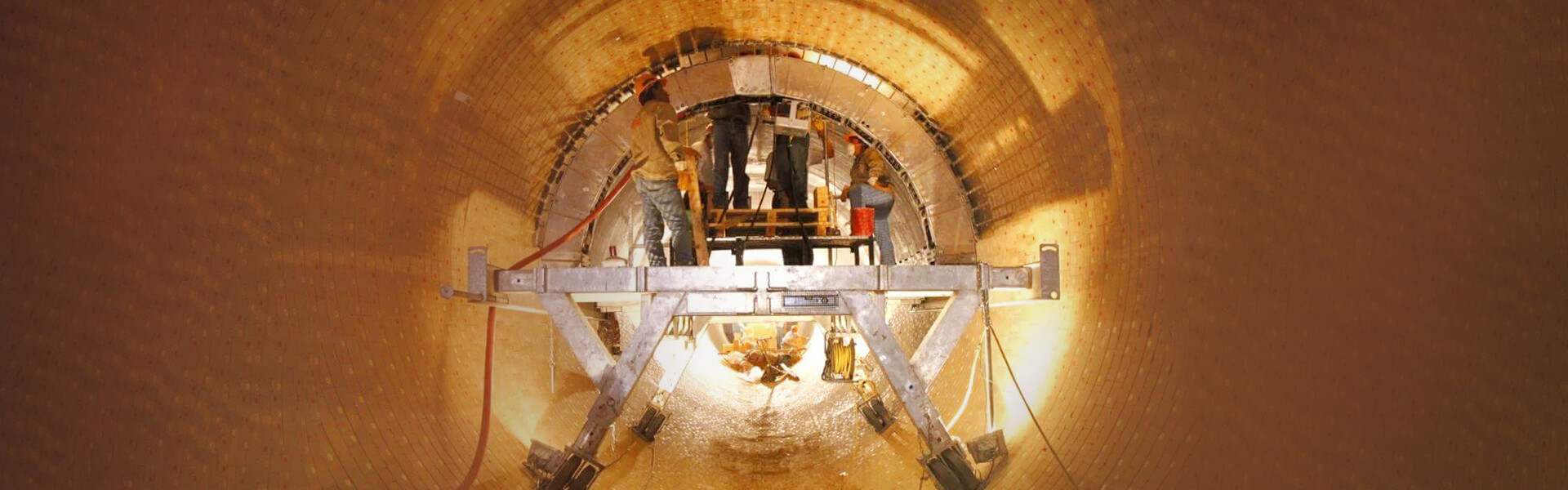
Magnesia-alumina spinel bricks (periclase-spinel bricks) have been used in the firing zones of 600 t/d–1200 t/d lime kilns at major lime enterprises—including GCK (DRC), Novolipetsk Steel (Russia), Hebei Wu'an Huoyanshan, Anyang Honghuo, Jinchang Mining, Tianjin Iron Works, and Jiangsu Shagang—achieving a service life of over two years, a level that meets advanced international standards.
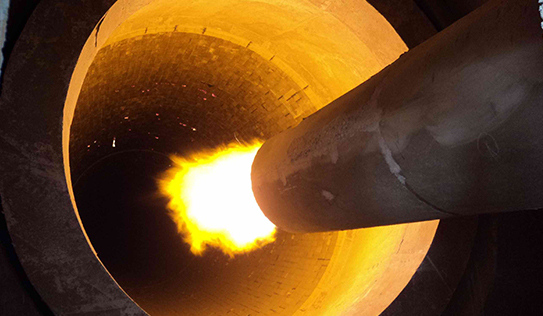
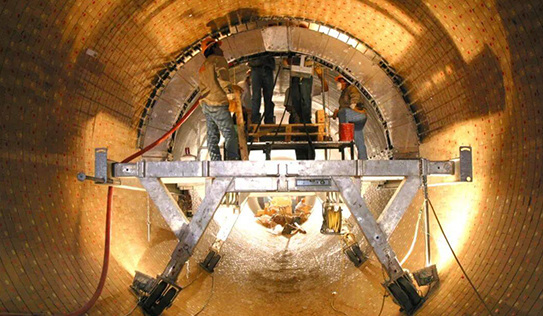
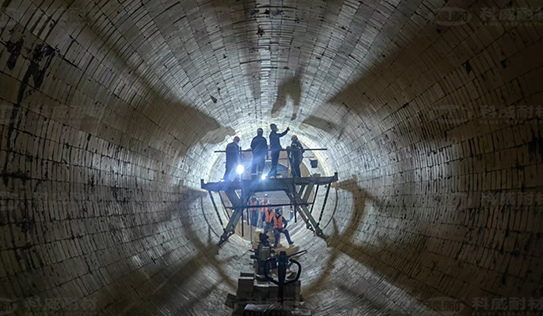
-
Low-thermal-conductivity mullite brick
When used in the 40–70 m section of a Φ5.1 × 72 m lime kiln, the shell temperature is 50–60°C lower than that with silicon-mullite bricks and 30–40°C lower than with spalling-resistant high-alumina bricks; the material offers excellent thermal insulation, and its service life in the lime kiln at the Novolipetsk Steel Plant in Russia exceeded 24 months.