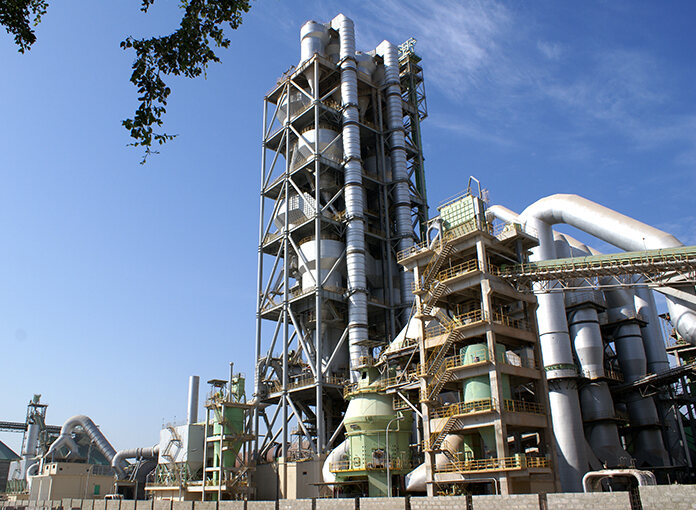
Cement Industry
Industry ChallengesThe cement industry is facing unprecedented pressure: production capacities continue to expand (with 10,000 t/d and 12,000 t/d kilns becoming the mainstream), the increased use of alternative fuels creates more demanding operating conditions, and regulations regarding carbon emissions are becoming increasingly stringent. Critical sections—such as the burning zone, transition zone, and calcination zone—impose extremely high requirements on refractory materials regarding thermal shock resistance, erosion resistance, and service life.
With over 40 years of professional experience in the field of cement kiln refractories, Huawei Refractories offers products covering all sections of the kiln—including the burning zone, transition zone, decomposition zone, preheater, tertiary air duct, kiln hood, and grate cooler. Addressing key challenges associated with cement kiln refractories globally, we have developed products such as magnesia-iron-alumina spinel bricks, periclase-spinel bricks, and low-thermal-conductivity mullite bricks. These products feature excellent structural toughness and superior kiln-coating adhesion, alongside high strength, strong wear resistance, and resistance to spalling, enabling us to provide a comprehensive "one-stop" service for state-of-the-art, energy-efficient, and eco-friendly refractory solutions.
-
HeidelbergCement (Germany)
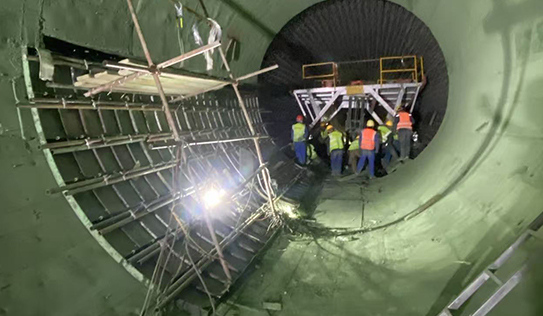
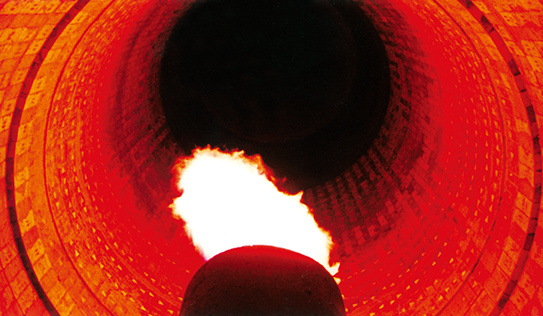
Huawei supplied its proprietary periclase-spinel bricks for installation in Heidelberg Cement’s large-scale kilns. Technical experts from Heidelberg Cement traveled to Huawei specifically to inspect and accept the magnesia-spinel bricks, confirming the product's internationally recognized performance. The company's low-thermal-conductivity mullite bricks have been utilized in the transition zones and preheating/decomposition zones (35–73m) of Heidelberg Cement’s 5,000–12,000 t/d kilns, as well as in tertiary air ducts; compared to standard silicon-mullite bricks, they reduced kiln shell temperatures by 50–70°C and achieved a service life of 2–5 years, earning high praise and recognition from the client.
-
Lunan Cement
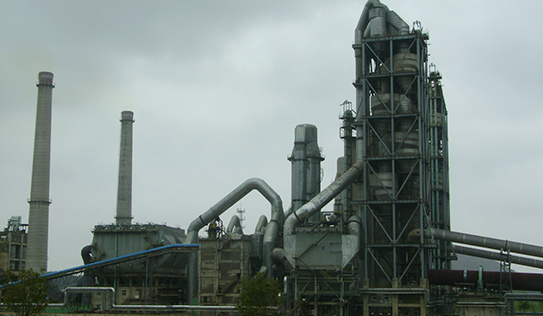
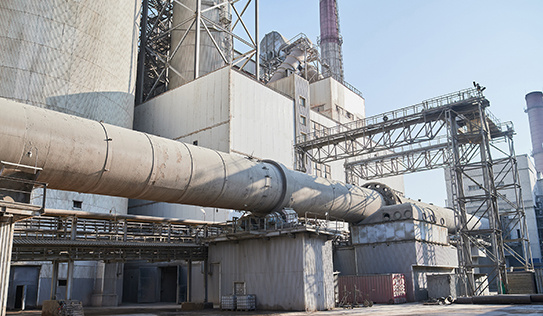
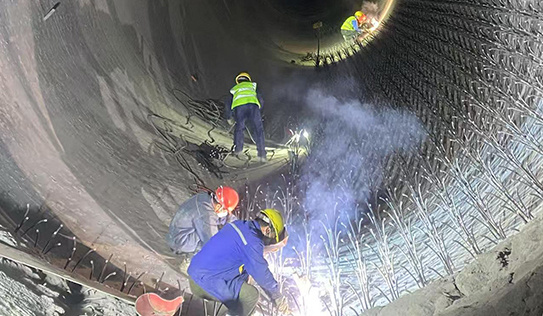
During the construction of my country's first domestically designed, fully localized demonstration production line with a daily capacity of 2,000 tons, Lunan Cement selected periclase-spinel bricks manufactured by Huawei Company; the bricks achieved a service life of 13 months, far exceeding the eight-month operational lifespan guaranteed for similar products.
-
Anhui Conch Cement
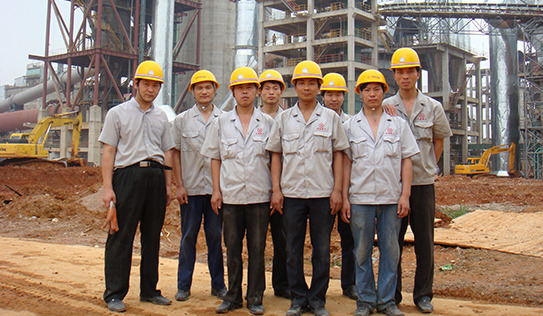
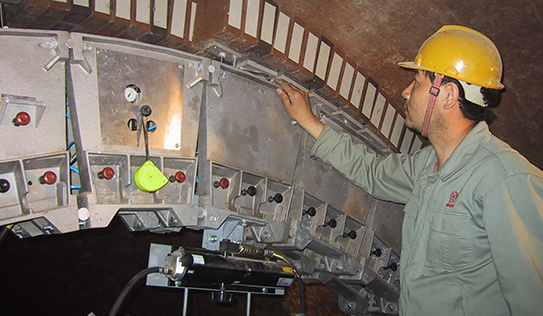
Cement companies such as Anhui Conch have successively adopted products from Huawei Company for their new dry-process cement kilns, achieving excellent operational results. General Manager Zheng Huazhen has visited Conch Cement to follow up and exchange views.
-
Shaanxi Yaobai Cement
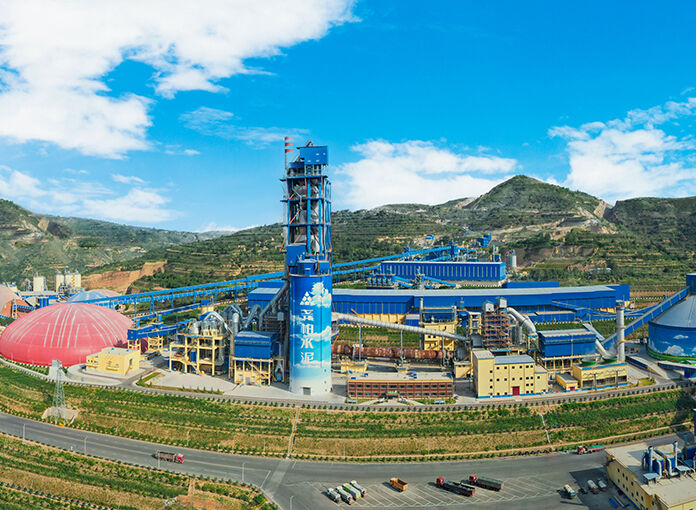
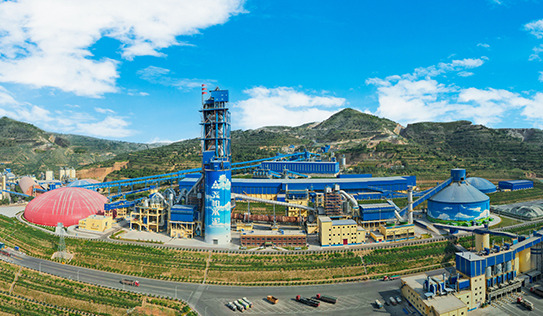
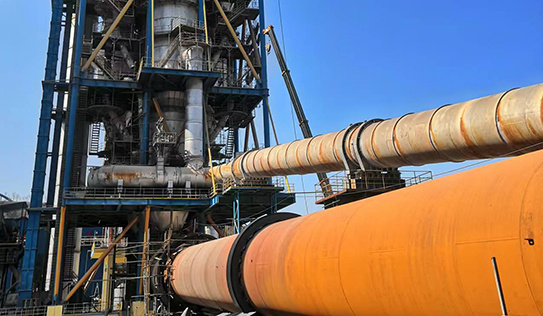
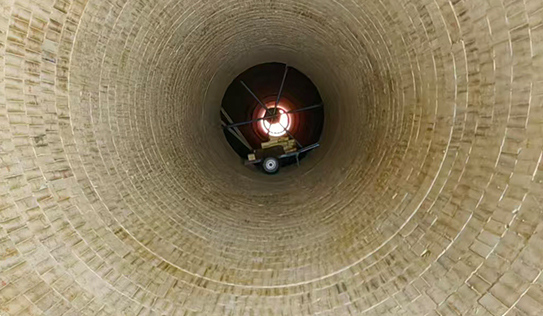
Huawei's magnesia-iron-aluminum spinel bricks used in the burning zone of a 10,000 t/d cement kiln have achieved a service life reaching an advanced international level.
-
Henan Tianrui Cement
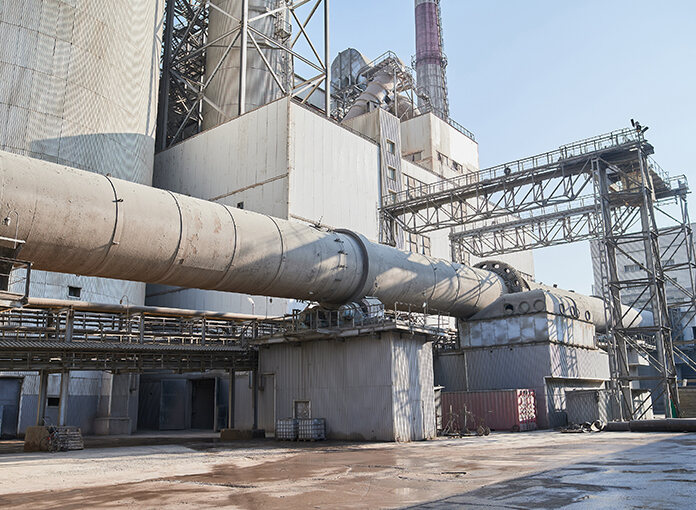
Huawei products are used in the burning zone of 12,000 t/d cement kilns; they are ideal, long-lasting products for replacing imports in the burning zones of large-scale cement rotary kilns.